






When you’re building a website, it’s easy to treat SEO and web design as separate tasks. But that’s a mistake. Separating them is like trying to bake a cake in different rooms. One affects how people find your site. The other shapes what happens once they get there.
The strongest websites are built with both in mind from the start. When design and SEO work together, your site does more than look good. It attracts the right visitors, keeps them engaged, and gives them a clear path to take action.
This guide breaks down how SEO and web design support each other, where small businesses often go wrong, and what a more practical approach looks like in practice.
Why the Partnership Between SEO and Web Design Matters for Small Businesses
Every design choice you make affects how search engines find and rank your website. Your layout, navigation, mobile experience, and page speed all shape how your site performs in search. Design is not just about appearance. It directly affects visibility.
Google evaluates hundreds of ranking factors, and many of them connect back to web design choices like site structure, responsiveness, and load time. According to Google’s research, 53% of mobile users leave a site that takes longer than three seconds to load. That is not just a user experience issue. It is an SEO issue too.
Search Engines Watch What Your Visitors Do
Search engines pay attention to how people interact with your website. When visitors stay on your site, explore multiple pages, and come back later, those actions signal that your content is useful and relevant.
On the other hand, high bounce rates and short visit times often suggest your site is not meeting user needs. Good design helps prevent that. Clear navigation reduces friction, strong visuals hold attention, and intuitive layouts guide people toward the next step.
Treating Them Separately Costs You
When SEO and web design are treated as separate efforts, things start to break down. You can end up with a beautiful website that search engines struggle to crawl, or a technically optimized site that feels confusing or flat to real people.
Small businesses cannot afford that disconnect. When design and SEO work together from the beginning, your website becomes easier to find, easier to use, and more likely to convert. That is what makes the partnership matter.
What Web Design Elements Have the Biggest Impact on SEO?
The connection between web design and SEO becomes much clearer when you look at the specific choices that shape how a site performs. Some design decisions make it easier for search engines to understand your site. Others affect how long people stay, where they click, and whether they convert. These are the areas where design and SEO overlap most directly.
Site Architecture and Navigation
A strong website structure helps both people and search engines move through your content. If your site feels confusing, buried, or hard to navigate, that hurts more than user experience. It can hurt rankings too.
Clear Structure Improves Crawlability
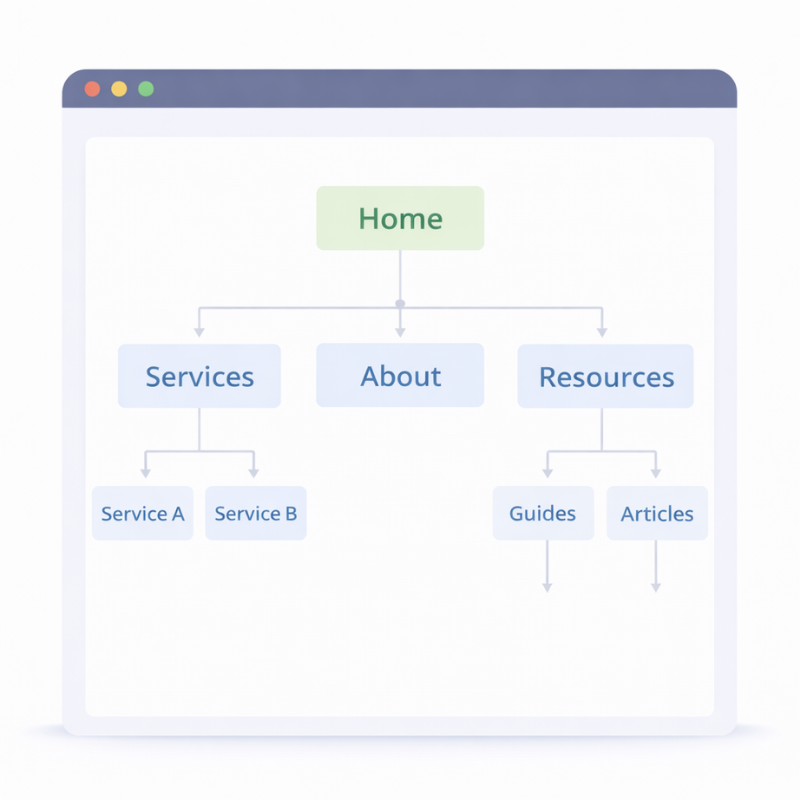
Your site architecture acts like a roadmap. It tells visitors where to go and helps search engines understand how your content fits together. When your pages are organized logically, people can find what they need faster and search engines can better interpret what your business offers.
Keep your most important pages within a few clicks of the homepage. If visitors have to dig too far, search engines usually do too.
Navigation Impacts Engagement Signals
Navigation does more than help people move around your site. It affects bounce rate, time on site, and how many pages people actually visit. When the next step is obvious, visitors are more likely to keep exploring.
That sends a stronger quality signal than a site that leaves people stuck or guessing.
Content Organization Strengthens Rankings
The way you group content matters. Organize pages around how people actually search, not just how you internally think about your services. Group related topics together and create clear paths between them.
Internal links reinforce those relationships, help search engines understand topical relevance, and distribute authority across your site.
Mobile Responsiveness and Page Speed
If your site does not work well on mobile, it is already underperforming. And if it is slow, you are losing people before they even have a chance to engage.
Mobile-First Design Impacts Search Rankings
Mobile-first design is no longer optional. Google uses the mobile version of your site for indexing and ranking, which means your mobile experience directly affects visibility. A responsive design helps your content adapt across phones, tablets, and desktops without breaking the experience.
More than half of web traffic now comes from mobile devices (Statista). If your site is frustrating on a phone, you are losing a large share of your audience right away.
Page Speed Directly Affects User Behavior
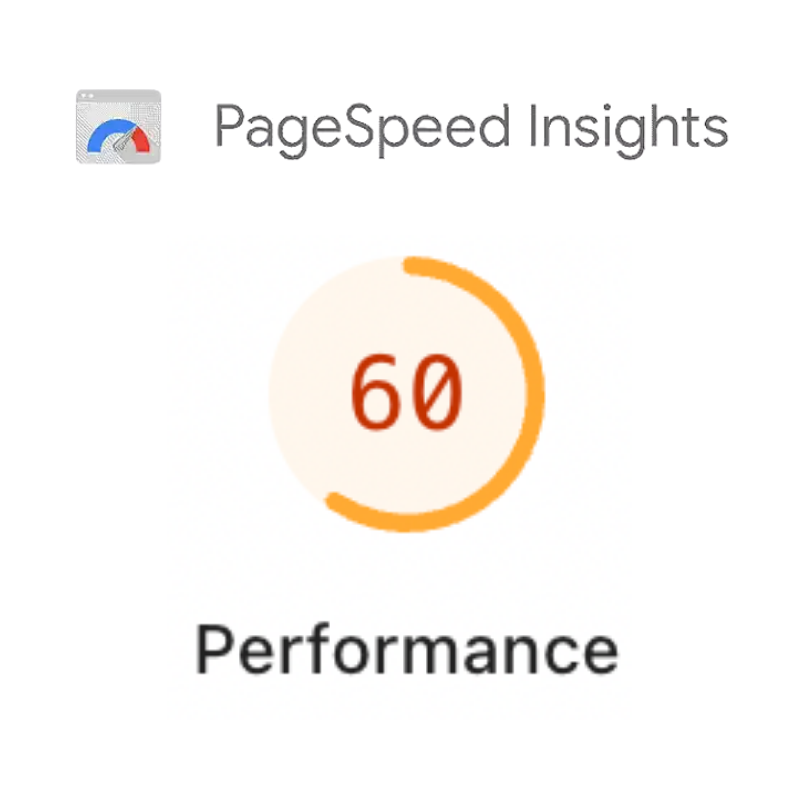
Speed is not a minor technical detail. It shapes whether someone stays or leaves. As load time increases, bounce risk goes up fast. Slow sites create friction. Fast sites keep people moving.
A beautiful site that loads too slowly still fails. Design without performance is really just decoration.
Performance Optimization Supports Both Design and SEO
Good performance comes from thoughtful technical choices. Compress images before uploading them, use modern formats like WebP, and lazy load media so the page is not trying to do everything at once.
Minimize unnecessary CSS and JavaScript, choose reliable hosting, and use a content delivery network when it makes sense. The goal is not to strip your site down. The goal is to keep it polished and fast.
Visual Hierarchy and Content Accessibility
Good content needs good structure. If people cannot scan it, understand it, or navigate it easily, search engines are less likely to trust it too.
Heading Structure Helps Users and Search Engines
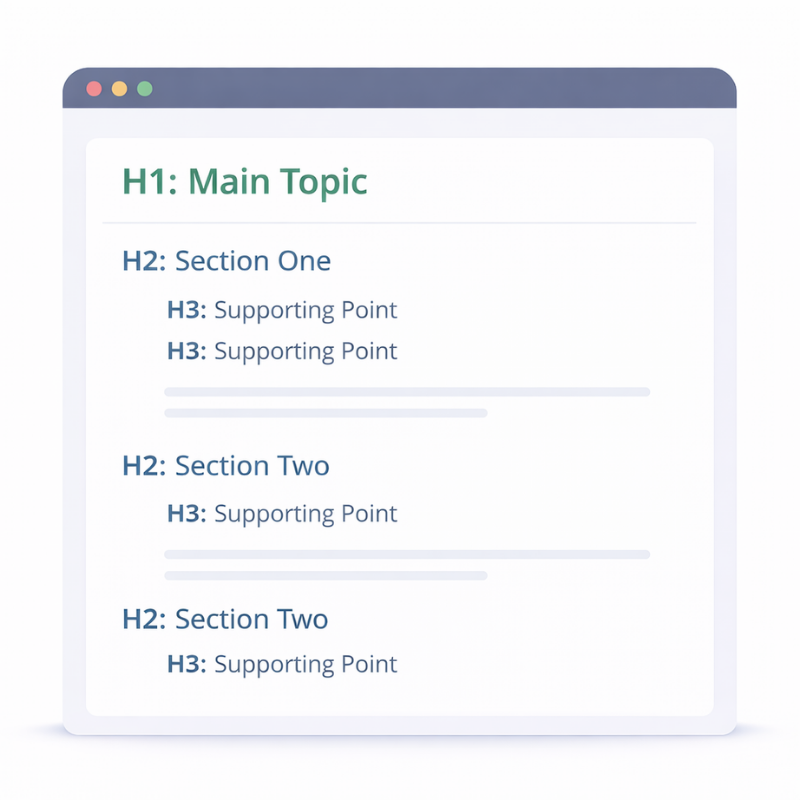
Your heading structure creates visual order and content hierarchy. Each page should have one clear H1 that defines the main topic. H2s should break up major sections, and H3s should support those sections where needed.
This helps readers scan your content quickly and helps search engines understand what matters most on the page.
Accessibility Improves Reach and SEO Quality
Accessibility is not separate from performance. It is part of it. Alt text helps screen readers describe images, but it also gives search engines context. Strong contrast improves readability for people with vision impairments and makes content easier for everyone to scan.
When your site follows accessibility best practices, it becomes more usable, more inclusive, and more resilient.
You can also internally link here to your post on inclusive web design if you want to reinforce that point.
For more on how inclusive design supports growth, see Why Inclusive Web Design Drives Real Business Growth in 2026.
Scannable Content Increases Engagement and Rankings
Most people do not read websites word for word. They scan first. That means your formatting matters. Long walls of text create drop-off. Clear sections, short paragraphs, and intentional emphasis help people stay engaged.
Use keywords naturally in headings and supporting copy, but never at the expense of clarity. If your content is useful and easy to move through, it is more likely to perform well.
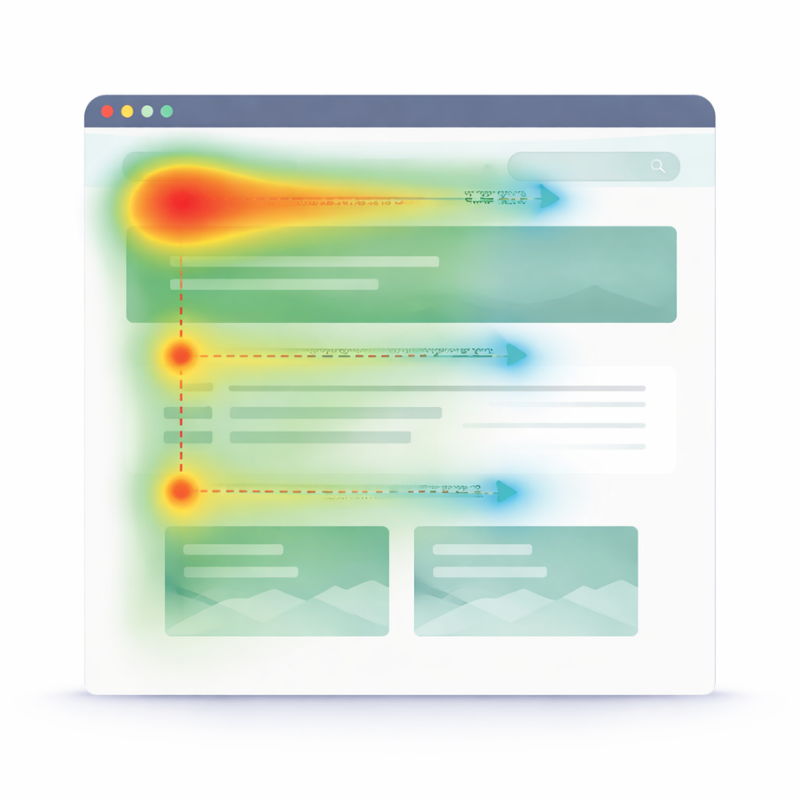
How Proper Web Design Enhances SEO Results
Good design doesn’t just make your site look polished. It shapes how people behave once they land on your site. And those behaviors are exactly what search engines measure.
Strategic CTAs Improve Engagement and Dwell Time
Clear, visually prominent calls-to-action guide visitors toward the next step, whether that’s making a purchase, signing up, or reaching out.
When people know what to do next, they stay longer and engage more. That increased interaction signals to search engines that your content is valuable and worth ranking. Strong CTAs reduce drop-off and turn passive visitors into active users.

Brand Consistency Builds Trust and Credibility
Consistency across your site creates a sense of stability. When your colors, typography, and tone align across every page, visitors don’t have to reorient themselves. They know they’re in the right place.
That clarity builds trust and encourages deeper exploration. It also signals professionalism. Search engines favor sites that feel cohesive and reliable because those are the sites users tend to engage with.
If you want to go deeper on this, Does Your Brand Color Actually Make People Buy? breaks down how design choices influence perception and conversion.
Internal Linking Strengthens Authority and Discoverability
Internal linking helps search engines understand how your content connects. It shows what pages matter and how topics relate to each other.
It also shapes the user journey. When you guide visitors from one relevant page to another, they stay longer, see more of your expertise, and are more likely to convert.
Use clear, descriptive anchor text so both users and search engines know exactly what to expect when they click.
Common Mistakes When Separating SEO from Web Design
Most websites fail here. Not because the business isn’t solid, but because SEO and design were treated as separate decisions.
Prioritizing Looks Over Technical Foundations
A beautiful website that doesn’t load or can’t be crawled is invisible. High-resolution images and polished layouts don’t matter if your site takes too long to load or search engines can’t access your content.
Choosing platforms or design systems without considering SEO creates problems that are expensive to fix later. The strongest websites are built with technical requirements in mind from the beginning, not layered in after the design is complete.
Optimizing for Search Engines Instead of People
The opposite mistake is just as common. Writing for algorithms instead of humans leads to content that feels forced, repetitive, and hard to trust.
Keyword stuffing, hidden text, and content built only to rank might work short term, but they rarely convert. Search engines have evolved to prioritize real user experience. When a site feels unnatural, rankings eventually drop and recovery takes time.
Designing Without a Content Strategy
Design should support your message, not replace it. When layout decisions come before clarity on what the site needs to say, you end up with something that looks good but doesn’t communicate anything meaningful.
Start with your audience. What are they searching for? What problems are they trying to solve? What action do you want them to take?
At Bay Laurel Solutions, this is why everything begins with the Online Success Program. It connects your business goals to your website’s structure, messaging, and functionality so every decision has a purpose.
Strategy first. Design second.
Ignoring Ongoing SEO and Performance Optimization
Launching your site is the starting point, not the finish line. Without ongoing updates, performance declines over time. Search engines evolve, and what worked a year ago may already be outdated.
Regular audits help catch broken links, slow pages, and outdated content before they impact your rankings. Ongoing optimization keeps your site competitive and ensures it continues to drive results.
Measuring the Combined Impact of SEO and Design
You don’t need dozens of metrics to understand performance. You need the right ones. The goal is to see how your site is performing in search and how people behave once they land on it.

Track Metrics That Reflect Both Traffic and Engagement
Start with the fundamentals. Organic traffic shows how people are finding your site, while metrics like pages per session and average session duration show what they do once they arrive.
Conversion rate is the missing piece. It tells you whether your site is actually working. Together, these metrics show both visibility and effectiveness.
Use Behavior Data to Add Context to Rankings
Rankings alone don’t tell you much. A page can rank well and still fail if people leave immediately. That usually means the content doesn’t match what they expected to find.
On the other hand, strong engagement with low rankings often points to technical SEO gaps or missed optimization opportunities.
Tools like Google Analytics show how people move through your site, while Google Search Console shows how your pages perform in search and what queries are bringing people in.
Combine Tools to Monitor Performance Holistically
No single tool gives you the full picture. PageSpeed Insights helps evaluate technical performance and load speed. Tools like Hotjar show where people click, scroll, and drop off.
Regular SEO audits help surface technical issues that impact rankings. When you look at performance, behavior, and technical health together, you can spot problems early and make more informed decisions.
Set Realistic Expectations for SEO and Design Results
SEO takes time. Most sites see meaningful movement within three to six months, but competitive spaces often take longer.
After a redesign, it’s normal to see short-term fluctuations while search engines recrawl and reindex your site. That doesn’t mean something is wrong.
What matters is consistency. Long-term gains come from steady improvements, not quick fixes.
Build With Strategy, Not Guesswork
A strong website is not just about how it looks. It’s about how it works.
When SEO and design are built together, your site becomes easier to find, easier to use, and more effective at converting visitors into clients.
That alignment is what drives real results over time.
Ready to Build a Website That Actually Works for Your Business?
If your website looks good but isn’t bringing in consistent leads, you’re not alone. Most business owners were never taught how to turn their site into a real growth tool.
At Bay Laurel Solutions, we guide clients through our Online Success Program, a structured approach that connects your business goals to a website strategy built to perform.
The program begins with a focused strategy session where we map out exactly what your website needs to do, from structure and messaging to functionality and growth opportunities. You walk away with a clear plan and the option to move forward with implementation.
We’re a women-led, LGBTQ+ web design agency based in San Francisco, working with small businesses, nonprofits, therapists, coaches, and other mission-driven teams. Our process is collaborative, transparent, and built around real results.
Start with the Online Success Program and build a website that’s designed to convert, not just sit online.